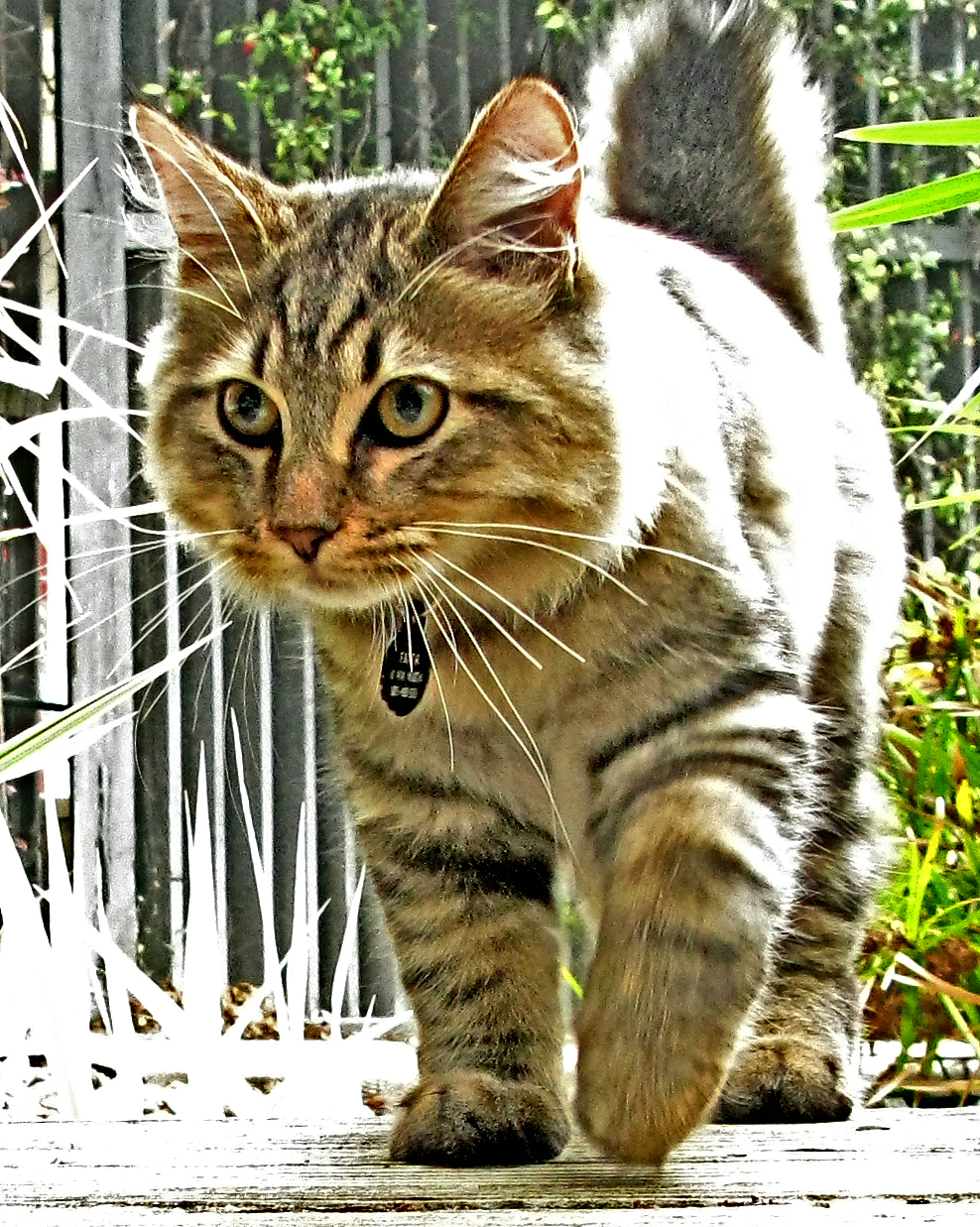
shorthair
Desert Lynx
Origin: United States
A wild-looking American bobtailed breed developed to resemble a bobcat, combining a spotted or marbled coat, a stubby tail and often ear tufts with a thoroughly domestic, dog-like devotion.
- Origin
- United States
- Category
- shorthair
- Lifespan
- 12–16 yrs
- Size
- Medium–Large
- Weight
- 4–9 kg
- Coat
- Short to medium, dense and weather-resistant
- Colours
- Spotted, marbled or ticked tabby patterns in a range of wild-look colours
😺 Temperament
🏡 Best suited to
📊 Personality ratings
📜 History & origin
The Desert Lynx is a modern American breed group created to capture the rugged, lynx-like look of native wild cats using only domestic bloodlines — chiefly bobtailed domestic cats such as the American Bobtail, along with Maine Coon and Pixie-bob influences. Despite the name, registered Desert Lynx lines contain no wild bobcat ancestry; the resemblance is bred entirely from domestic stock. The breed is registered by the Rare and Exotic Feline Registry and related associations as part of their 'Legend cats' group, and remains uncommon.
🧼 Care & grooming
The dense, weather-resistant coat needs only weekly brushing to stay healthy. The Desert Lynx is an athletic, highly intelligent cat that needs plenty of outlets — tall cat trees, puzzle feeders, interactive play and even leash walks suit it well. It bonds strongly with its family, often following owners from room to room and learning games and tricks readily; boredom in an under-stimulated home can lead to mischief.
🩺 Health notes
As a breed built from several robust domestic lines, the Desert Lynx is generally hardy. The main consideration is the bobtail gene it shares with its American Bobtail ancestry: reputable breeders manage it carefully to avoid the spinal problems associated with taillessness, and screen for the heart (HCM) and hip issues found in its larger contributing breeds. Routine preventive care otherwise keeps it in good shape.